Sensory-Friendly Meals for Special Needs Children
- Alysia Ford
- Jan 2
- 4 min read

Updated: Mar 3
Understanding Sensory Sensitivities
Before diving into meal ideas, it’s essential to understand what sensory sensitivities are. Children with sensory processing issues may react strongly to certain textures, flavors, or even the appearance of food. Here are some common sensory sensitivities:
Texture: Some kids may dislike mushy foods like bananas or oatmeal, while others may prefer crunchy snacks.
Taste: Certain flavors can be overwhelming. Sweet, salty, or sour tastes may be more acceptable than bitter ones.
Smell: Strong odors can be off-putting. Foods with strong spices or pungent smells may be avoided.
Appearance: Bright colors or unusual shapes can be either appealing or unappetizing.
Understanding these sensitivities is crucial in creating meals that are not only nutritious but also enjoyable.
Tips for Preparing Sensory-Friendly Meals
Keep It Simple

When preparing meals for children with sensory sensitivities, simplicity is key. Here are some tips to keep in mind:
Limit Ingredients: Fewer ingredients can make meals less overwhelming. Stick to basic recipes that highlight one or two main flavors.
Use Familiar Foods: Incorporate foods that your child already enjoys. Gradually introduce new items alongside familiar ones to ease the transition.
Focus on Texture
Texture can significantly impact a child's willingness to try new foods. Here are some ideas to create a variety of textures:
Crunchy Options: Offer raw vegetables like carrots or bell peppers, or snacks like popcorn or rice cakes.
Creamy Choices: Include yogurt, smoothies, or mashed potatoes for a softer texture.
Chewy Foods: Foods like pasta or bread can provide a satisfying chewiness.
Experiment with Presentation
The way food is presented can influence a child's interest in eating. Here are some creative ideas:

Fun Shapes: Use cookie cutters to create fun shapes from sandwiches or fruits.
Colorful Plates: Arrange food in a visually appealing way. A rainbow of colors can make the meal more inviting.
Dipping Sauces: Kids often enjoy dipping their food. Offer a variety of sauces like hummus, yogurt, or mild salsa.
Sensory-Friendly Meal Ideas
Breakfast Options
Starting the day with a sensory-friendly breakfast can set a positive tone. Here are some ideas:

Smoothie Bowls: Blend fruits with yogurt and top with crunchy granola or seeds for added texture.
Overnight Oats: Prepare oats with milk or yogurt and let them sit overnight. Add fruits or nuts in the morning for variety.
Egg Muffins: Whisk eggs with vegetables and cheese, pour into muffin tins, and bake for easy-to-eat breakfast bites.
Lunch Ideas
Lunch can be a fun opportunity to explore different flavors and textures:

Wraps: Use tortillas to create wraps filled with favorite ingredients like turkey, cheese, and lettuce. Cut them into pinwheels for easy handling.
Bento Boxes: Create a bento box with small portions of various foods, such as sliced fruits, cheese cubes, and crackers.
Pasta Salad: Combine cooked pasta with diced vegetables and a light dressing. The chewy texture of pasta can be appealing.
Dinner Suggestions
Dinner can be a family affair, and sensory-friendly meals can make it enjoyable for everyone:

Taco Night: Set up a taco bar with soft tortillas, ground meat, and various toppings. Let kids build their own tacos to encourage exploration.
Stir-Fry: Use a variety of colorful vegetables and proteins. The combination of textures can be exciting for kids.
Homemade Pizza: Allow kids to customize their pizzas with their favorite toppings. This hands-on approach can make them more willing to try new ingredients.
Snack Ideas
Snacks are an essential part of a child's diet, and they can be sensory-friendly too:
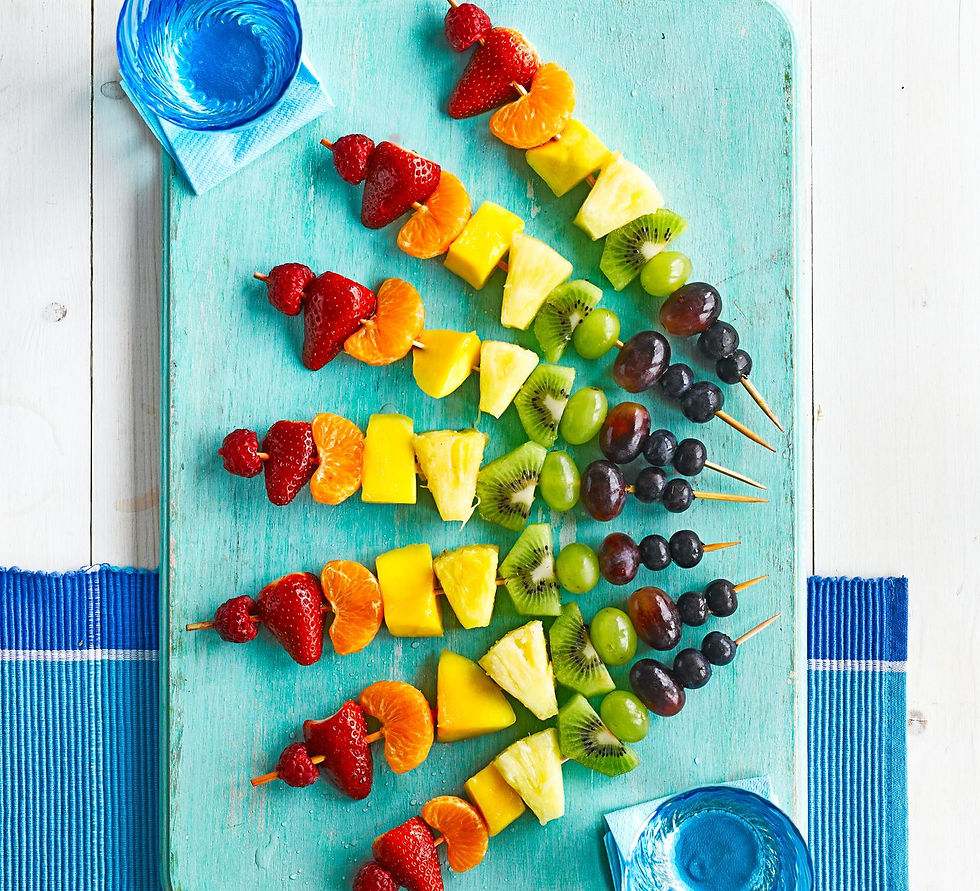
Fruit Kabobs: Skewer pieces of fruit for a fun and colorful snack.
Yogurt Parfaits: Layer yogurt with granola and fruits for a tasty treat.
Cheese and Crackers: Offer a variety of cheeses and whole-grain crackers for a satisfying snack.
Creating a Positive Mealtime Environment
Beyond the food itself, the mealtime environment plays a crucial role in how children experience meals. Here are some tips to create a sensory-friendly atmosphere:
Minimize Distractions
A calm environment can help children focus on their meals. Consider the following:
Reduce Noise: Turn off the TV and minimize background noise to create a peaceful setting.
Soft Lighting: Use soft lighting to create a comfortable atmosphere.
Encourage Family Involvement
Involving children in meal preparation can make them more interested in trying new foods. Here are some ways to engage them:
Cooking Together: Let kids help with age-appropriate tasks, such as washing vegetables or stirring ingredients.
Grocery Shopping: Take children grocery shopping and allow them to pick out fruits or vegetables they want to try.
The Importance of Patience
Creating sensory-friendly meals for special needs kids is about understanding their unique preferences and sensitivities. By focusing on texture, presentation, and simplicity, you can make mealtime a positive experience. Remember, patience is key. It may take time for children to accept new foods, but with consistent exposure and encouragement, they can develop a more varied diet.
As you embark on this journey, keep experimenting with different meals and involve your child in the process. With a little creativity and understanding, you can create a mealtime experience that is both enjoyable and nourishing.
Conclusion
In summary, creating meals that cater to sensory needs is a journey filled with learning and growth. Embrace the process and celebrate small victories along the way. By focusing on the unique preferences of your child, you can foster a love for food that lasts a lifetime. Remember, you are not alone in this journey. There are resources and communities available to support you every step of the way.
For more insights and resources, visit HELLPmama.


Comments